
Understanding Time Management
Time management encompasses the process of planning and exercising conscious control over the amount of time spent on specific activities. It is an essential skill for students to master, as it directly impacts their academic performance and overall well-being. Effective time management allows students to allocate their time wisely, balancing their academic responsibilities with personal interests and social activities. This skill not only contributes to better grades but also to a reduction in stress levels, as students can approach their workload more systematically.
The psychological aspects of time management play a crucial role in enhancing productivity. Understanding one’s priorities and setting realistic goals can significantly improve the efficiency with which one completes tasks. When students recognize the importance of deadlines and the consequences of procrastination, they are more likely to engage in effective time management practices. By developing the ability to prioritize tasks, students can focus on what is most important, ensuring that critical assignments are completed on time.
Moreover, mastering time management can lead to improved mental health. The act of managing time effectively allows students to cultivate a sense of control over their lives, which correlates with higher levels of confidence and self-esteem. Students who practice good time management are better equipped to handle the demands of school, which in turn can foster a more positive academic experience. This holistic approach to managing time not only helps in achieving academic success but also promotes life skills that are beneficial beyond the classroom.
Common Time Management Challenges for Students
Time management is a crucial skill for students as they navigate through academic and personal responsibilities. Nevertheless, several obstacles commonly impede their ability to manage time effectively. One of the prevalent challenges is procrastination, wherein students delay tasks until the last minute. This behavior often stems from a fear of failure or perfectionism, leading them to prioritize immediate gratification over long-term goals. For instance, a student might opt to scroll through social media instead of preparing for an upcoming examination, resulting in heightened stress and subpar performance.
Another challenge students frequently face is distractions. In today’s digital age, smartphones and social media serve as constant interruptions, pulling students’ attention away from their studies. A typical scenario involves a student attempting to complete an assignment but continuously checking notifications, thereby extending the time required to complete the task. This cycle of distraction can erode focus and productivity, making it difficult for students to meet deadlines.
Lack of organization is also a significant barrier to effective time management. Many students struggle with keeping track of assignments, deadlines, and schedules. For example, a student might forget to submit an important paper simply because it was lost among unorganized notes or not correctly noted in their planner. This disarray can lead to missed opportunities and increased anxiety.
Furthermore, poor prioritization often complicates students’ time management efforts. With a plethora of tasks, some students find it challenging to discern which responsibilities require immediate attention. For instance, a student might prioritize completing a less important project over studying for a crucial exam, resulting in poor academic outcomes. By understanding these common pitfalls such as procrastination, distractions, organizational issues, and poor prioritization, students can better prepare themselves to adopt more effective time management strategies.
Setting Priorities: The Key to Effective Time Management
Effective time management is a vital skill for students striving for academic success. One fundamental aspect of this skill is the ability to set priorities. By understanding and implementing various prioritization techniques, students can maximize their productivity and ensure that their time is allocated to the most essential tasks. Two popular frameworks for setting priorities are the Eisenhower Matrix and the ABCD prioritization method.
The Eisenhower Matrix categorizes tasks into four distinct quadrants based on their urgency and importance. This helps students to quickly identify which activities demand immediate attention and which can be scheduled for later or delegated. For example, tasks that are both urgent and important should be completed first, while those that are neither can often be eliminated from the to-do list altogether. This structured approach equips students with a clear visual representation of their responsibilities, allowing them to focus on what truly matters.
Another effective technique is the ABCD prioritization method. This technique involves labeling tasks as A (most important), B (important but less urgent), C (nice to do), and D (delegate or drop). By classifying tasks in this way, students can differentiate between what requires their immediate attention compared to what can wait. This method ensures that students allocate sufficient time to critical assignments while avoiding the trap of expending energy on less vital activities.
Ultimately, distinguishing between urgent and important tasks is key to managing time effectively. Urgent tasks demand immediate attention but can often distract from long-term goals. In contrast, important tasks contribute significantly to long-term objectives and personal growth. By employing prioritization techniques such as the Eisenhower Matrix and the ABCD method, students can develop a more strategic approach to their time management, leading to enhanced academic performance and reduced stress levels.
Creating a Time Management Plan
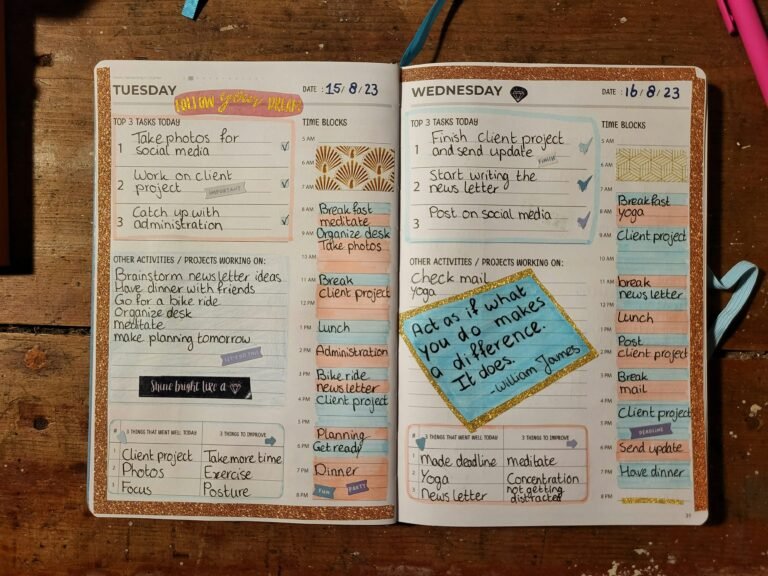
Developing a personalized time management plan is crucial for students striving to optimize their academic performance while accommodating personal and extracurricular commitments. A well-structured plan enables students to efficiently allocate their time, making the most of every day. To start, students should consider utilizing traditional planners or digital calendars, both of which serve as excellent tools for visualizing tasks and deadlines.
Planners come in various formats, allowing students to choose between physical notebooks and customizable templates, which they can fill out according to their unique schedules. Alternatively, digital calendars, such as Google Calendar or Microsoft Outlook, offer functionalities that can enhance time management. Students can set reminders, color-code events, and sync their schedules across multiple devices, ensuring accessibility at all times.
Time-blocking strategies are also effective in creating a focused study routine. This technique involves dividing the day into manageable blocks of time, during which specific tasks are to be completed. For instance, a student might allocate the hours from 10 AM to 12 PM for studying mathematics, while dedicating the afternoon to attending classes or participating in sports. This structured approach not only enhances concentration but also helps in balancing academic responsibilities with other activities.
Furthermore, it is essential to build in personal time within the time management plan. Incorporating breaks for relaxation or socializing can significantly improve overall productivity. Setting realistic goals and honoring personal commitments ensures that students do not experience burnout. Through disciplined application of these time management strategies, students can achieve a harmonious balance between their educational pursuits and personal schedules, ultimately leading to a more fulfilling and productive student experience.
The Pomodoro Technique: A Proven Method for Time Management
The Pomodoro Technique is a time management strategy widely recognized for its effectiveness in enhancing productivity among students. Developed by Francesco Cirillo in the late 1980s, this method leverages timed intervals to optimize focus while minimizing distractions. The core principle involves working in blocks of 25 minutes, known as “Pomodoros,” followed by a short five-minute break. After completing four Pomodoros, a longer break of 15 to 30 minutes is recommended.
One of the key benefits of the Pomodoro Technique is its ability to foster sustained concentration. By breaking tasks into shorter intervals, it helps mitigate the mental fatigue often associated with prolonged study sessions. Students can tackle assignments or review material with heightened alertness during these focused bursts. Additionally, the scheduled breaks serve as a mental reset, providing the necessary pause to recharge before returning to work.
Implementing the Pomodoro Technique can be straightforward and rewarding. To start, students should identify a specific task to focus on and set a timer for 25 minutes. It is crucial to eliminate distractions during this period—turning off notifications, closing unnecessary tabs, and finding a quiet study environment can greatly enhance effectiveness. Once the timer goes off, the student should take a five-minute break to stretch, hydrate, or briefly step away from their workspace. This practice of alternating between focused work and breaks can significantly improve retention and understanding of the studied material.
In summary, the Pomodoro Technique is a valuable time management strategy that encourages productivity through organized intervals and scheduled breaks. By giving this approach a try, students may find a significant improvement in their ability to concentrate and accomplish tasks efficiently.
Avoiding Procrastination: Strategies for Students
Procrastination is a common hurdle faced by students, often resulting in stress and diminished academic performance. To successfully combat this issue, cultivating self-discipline emerges as a pivotal factor. Self-discipline involves maintaining focus on academic tasks and resisting distractions that hinder progress. Students can enhance their self-discipline through practice and the establishment of specific, attainable goals. By progressively completing smaller tasks, students can build momentum and confidence, thereby decreasing the likelihood of procrastination.
Another effective strategy is the implementation of clear deadlines. Setting short-term deadlines for assignments, projects, or study periods creates a structured timeline, pressing students to manage their time efficiently. By breaking larger tasks into smaller, more manageable segments with individual deadlines, students can avoid the overwhelm that often leads to procrastination. Utilizing planners or digital tools to track these deadlines can also foster accountability.
The learning environment plays a crucial role in facilitating productivity. Students should strive to create a conducive study atmosphere, free from interruptions and distractions. This may include silencing mobile devices, organizing the study space, and ensuring adequate lighting. A dedicated study area signals to the brain that it is time for focused work, fostering a mindset geared towards productivity.
Moreover, motivational techniques can be instrumental in overcoming procrastination. Students can employ various strategies such as visualization of success, positive affirmations, or reward systems for completing tasks. These methods not only boost motivation but also reinforce the notion that discipline equals progress.
Finally, adopting a growth mindset is vital. Students who view challenges as opportunities for learning tend to overcome procrastination more effectively. This shift in perspective encourages resilience, allowing students to tackle tasks with greater enthusiasm and commitment.
Utilizing Technology for Better Time Management
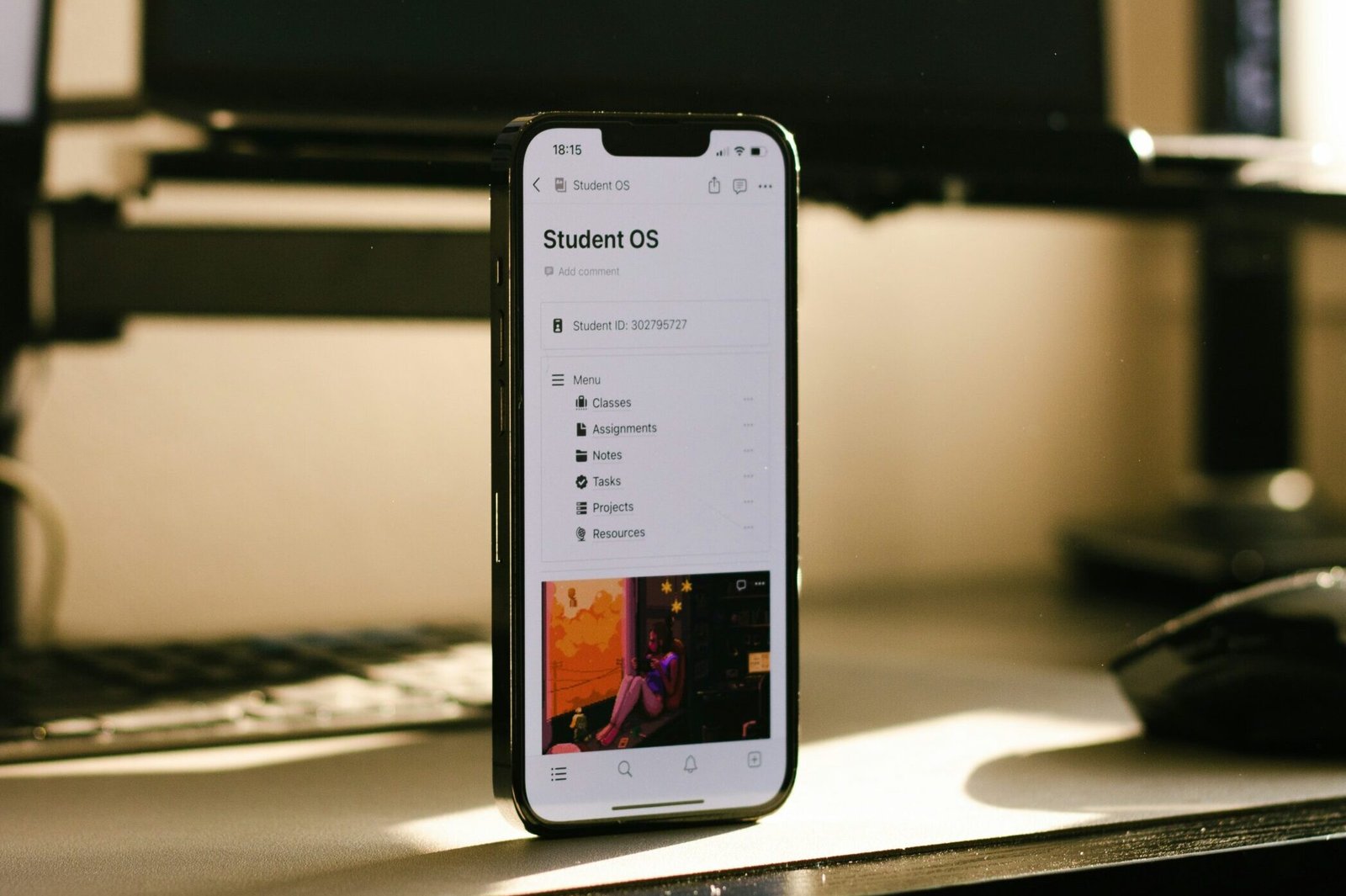
In today’s digital age, technology plays a vital role in enhancing time management strategies for students. Numerous applications and software have been developed to assist students in organizing their schedules, setting reminders, tracking tasks, and facilitating effective study habits. Embracing these tools can significantly improve productivity and ensure that academic responsibilities are met efficiently.
One of the most popular applications is Todoist. This task management tool allows students to create detailed to-do lists, set due dates, and prioritize tasks. The interface is user-friendly, and features like recurring due dates and productivity tracking provide an insightful overview of workload management. Additionally, Todoist syncs across platforms, ensuring students can access their tasks anytime, anywhere.
Another valuable app is Google Calendar, which is essential for scheduling both academic and personal commitments. Students can organize their classes, assignments, and meetings in one place while receiving notifications for upcoming events. The collaborative feature allows groups to schedule study sessions efficiently, enhancing group project organization.
Evernote is another noteworthy tool that assists with note-taking and organization. It allows students to create notes, attach documents, and even clip web articles for reference. With tagging and categorization features, students can organize their study materials efficiently, making exam preparation less daunting.
Finally, the Forest app uniquely promotes focused studying by gamifying the process of staying off the phone. By planting virtual trees that grow when the student avoids distractions, it encourages the development of healthier study habits. This innovative approach can reduce procrastination and help students maintain concentration during study periods.
By integrating these technological tools into their routines, students can vastly improve their time management skills, ensuring they remain organized and on track throughout their academic journey.
Evaluating and Adjusting Your Time Management Techniques
Effective time management is a critical skill for students aiming to balance academic responsibilities and personal commitments. To cultivate this ability, it is essential for students to regularly evaluate their time management strategies. This evaluation process serves as a mechanism to assess what techniques are successful and which ones require adjustment.
One practical approach to reviewing time management strategies is through self-reflection. Students should consider questions such as: Are they frequently meeting deadlines? Are they feeling overwhelmed or stressed? Keeping a journal can be helpful during this self-assessment, where students can document their daily productivity, successful strategies, and areas needing improvement. A weekly review session dedicated to analyzing these entries can reveal patterns that are beneficial or detrimental to their effectiveness.
In addition, it’s important to adapt time management plans to accommodate unforeseen circumstances. Life is unpredictable; therefore, flexibility in scheduling is crucial. Students should aim to build buffer times into their calendars to account for unexpected events or emergencies. This approach not only decreases anxiety but also enhances resilience in dealing with time constraints. Moreover, students might consider employing tools such as digital calendars or task management apps that allow for easy adjustments to their schedules.
To ensure that time management strategies remain effective, it is also advisable to seek feedback from peers or advisors. These external insights can provide a fresh perspective on one’s strategies, highlighting potential blind spots and opportunities for refinement. By engaging in this continuous process of evaluation and adjustment, students can hone their time management skills, ultimately leading to academic success and personal fulfillment.
Conclusion: Building Lifelong Time Management Skills
Time management is not merely a skill beneficial during the academic years; it is a vital asset that plays a significant role in personal and professional development throughout one’s life. The ability to effectively manage time allows individuals to prioritize tasks, set achievable goals, and reduce stress, ultimately leading to increased productivity. Students who cultivate these skills early on are better prepared to navigate future challenges in both their careers and personal ventures.
To maintain and enhance effective time management skills beyond school, individuals should adopt several practical strategies. First, it is important to establish clear, long-term goals as these provide a framework for prioritizing daily activities. By breaking larger goals into smaller, manageable tasks, the process becomes less overwhelming, fostering a structured approach to personal and professional projects.
Additionally, utilizing digital tools such as task management apps or calendars can help streamline daily responsibilities. Scheduling regular reviews of one’s progress ensures that goals remain in focus and allows for necessary adjustments in priorities. Setting aside specific time blocks for deep work is essential, minimizing distractions and enhancing concentration, which is crucial in today’s fast-paced environment.
Moreover, seeking feedback and reflecting on time management practices periodically fosters growth. Learning from both successes and failures creates a continuous loop of improvement, equipping individuals with the skills needed to adapt to changing circumstances.
In summation, mastering time management techniques not only aids students during their educational journeys but also lays a strong foundation for success in all areas of life. By embracing these skills, individuals can achieve greater satisfaction in their personal pursuits and professional endeavors, illustrating the enduring value of effective time management.