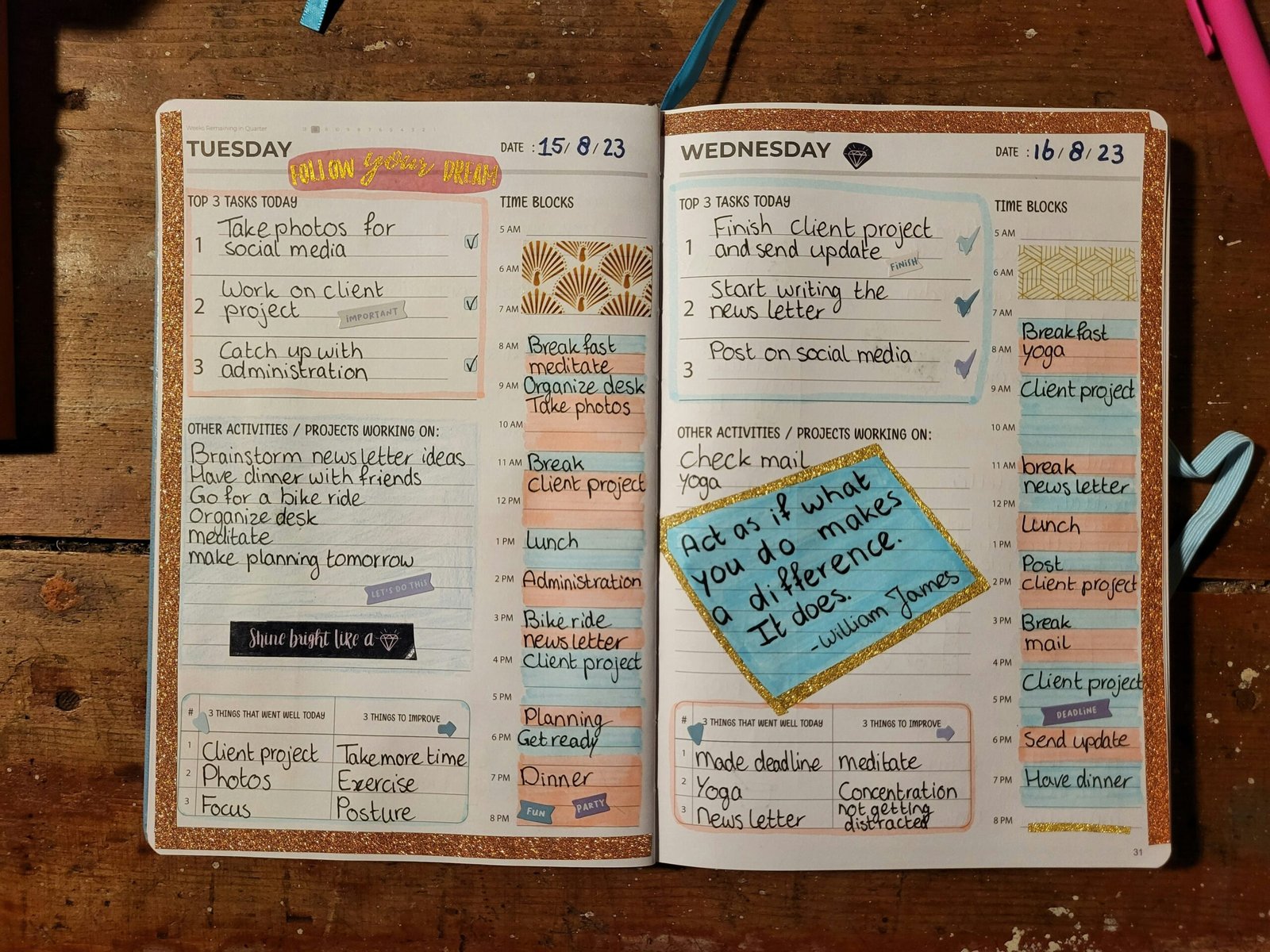

Introduction to Study Schedules
Study schedules are systematic plans that outline specific periods dedicated to studying various subjects or topics. They are essential tools for students aiming to achieve academic success. By creating a well-structured study schedule, students can allocate time effectively, boosting productivity and enhancing their overall performance. One of the primary benefits of a study schedule is that it promotes better time management, allowing individuals to prioritize tasks and allocate appropriate time to each subject or assignment.
Furthermore, an organized study schedule significantly reduces stress levels among students. When students have a clear plan, they can avoid last-minute cramming and the anxiety of looming deadlines. This practice fosters a sense of control over their academic workload, providing peace of mind and a greater ability to absorb the material. Additionally, these schedules can help students develop a consistent study routine, which is crucial for retaining information and mastering complex subjects.
Using templates for study schedules can further streamline this process. Templates provide a framework that students can easily customize according to their unique needs and preferences. These pre-designed schedules can help individuals ensure they cover all necessary topics and maintain a balanced approach to studying. Moreover, templates allow for flexibility and adaptability, making it easier for students to modify their plans as necessary while still adhering to a structured format.
In conclusion, by embracing the concept of study schedules, students can significantly improve their time management skills, increase productivity, and reduce stress, ultimately paving the way for academic achievement. With the right tools and templates in place, mastering study schedules becomes an attainable goal for everyone.

Types of Study Schedules
Studying effectively is not solely about the hours put in; it also involves the structure of study time. Different types of study schedules can greatly enhance learning efficiency, allowing students to cater their approaches to individual needs. This section will explore four primary types of study schedules: daily, weekly, monthly, and semester-long templates.
The daily study schedule is particularly beneficial for students who prefer short, focused study sessions. Allocating specific time slots each day helps enhance retention and reduces the risk of burnout. This schedule is ideal for quick reviews and can easily adapt to spontaneous changes in student life. Its structure promotes consistency, making it easier to develop a habit around studying.
In contrast, the weekly study schedule allows for broader planning, encompassing a range of subjects or topics across several days. This type of schedule is excellent for students managing multiple subjects, as it provides a visual guide to balancing workloads. By dedicating different days to varied subjects, students can ensure comprehensive coverage while still allowing flexibility for deeper dives into challenging material.
Moving to the monthly study schedule, this template is advantageous for long-term planning. Monthly schedules help students outline major assignments, test dates, and other deadlines, facilitating backward planning from these important milestones. This type is particularly useful for those who benefit from seeing the big picture and who like to plan ahead, ensuring all essential material is covered well before the exam dates.
Lastly, the semester-long study schedule serves as a semester overview, ideal for visualizing the timeline of the entire term. By integrating important dates, this type of schedule aids students in managing their time efficiently throughout the semester, allowing them to allocate study time in accordance with upcoming assessments and projects.
How to Create an Effective Study Schedule
Creating an effective study schedule is a crucial step in mastering time management and achieving academic success. The initial phase involves a thorough assessment of your current study habits. Take some time to reflect on how you allocate your time between various subjects and tasks. Identify any distractions or inefficiencies that hinder your productivity. By understanding your strengths and weaknesses as a learner, you can tailor your study schedule to better fit your needs.
Next, establish your priorities. This entails determining which subjects or topics require more attention based on deadlines, difficulty, or relevance to your overall academic goals. By ranking your tasks, you can allocate sufficient time and energy to those that matter most, ensuring that your study schedule remains focused and strategic.
Setting realistic goals is another fundamental aspect of crafting a conducive study schedule. Break your overall objectives into smaller, manageable tasks that can be accomplished within a specific timeframe. This not only helps streamline your studying but also builds momentum as you complete each goal. Make sure to consider your personal commitments and energy levels when determining the time needed for each task.
Incorporating breaks is essential for sustaining motivation and focus throughout your study sessions. Research suggests that taking short breaks between study periods can enhance retention and prevent burnout. A popular approach is the Pomodoro Technique, which involves studying for 25 minutes followed by a five-minute break. This method can help maintain your concentration and keep your mind refreshed as you tackle different subjects.
By following these steps to create your study schedule, you can cultivate an organized and productive study environment that optimally supports your learning process.
Sample Study Schedule Templates
Creating a well-structured study schedule is essential for effective learning, and having a template can facilitate this process significantly. Below are some sample study schedule templates tailored for different academic levels and subjects, which can be customized to fit individual needs.
High School Study Schedule: This template is designed for high school students, focusing on core subjects like Mathematics, Science, and English. A typical week might include:
- Monday: 4 PM – 5 PM: Math Review / 5 PM – 6 PM: History Reading
- Tuesday: 4 PM – 6 PM: Science Experiments / 6 PM – 7 PM: Practice Tests
- Wednesday: 4 PM – 5 PM: English Essay Writing / 5 PM – 6 PM: Geometry Concepts
- Thursday: 4 PM – 6 PM: Group Study Session (All Subjects)
- Friday: 4 PM – 5 PM: Vocabulary Quiz Preparation / 5 PM – 6 PM: Review Week’s Materials
- Saturday: 10 AM – 12 PM: Project Work / 1 PM – 3 PM: Catch-up Study
- Sunday: Rest Day or Light Review (Optional)
College-Level Study Schedule: For college students, managing a more complex schedule is vital, as coursework can vary significantly between subjects. A sample template might look like:
- Monday: 9 AM – 11 AM: Lecture (Physics) / 1 PM – 3 PM: Lab Work
- Tuesday: 10 AM – 12 PM: Study Greek Philosophy / 2 PM – 4 PM: Math Practice
- Wednesday: 9 AM – 11 AM: Lecture (Chemistry) / 1 PM – 3 PM: Group Discussion
- Thursday: 10 AM – 12 PM: Research (History Project) / 2 PM – 4 PM: Study for Upcoming Exams
- Friday: 1 PM – 3 PM: Review Weekly Notes / 4 PM – 6 PM: Attend a Workshop
- Saturday: Flexible study for catch-up and revisions
- Sunday: Relaxation or engage in extracurricular activities
These templates can be adjusted based on personal time commitments and learning styles. Including breaks, varied subject focus, and setting achievable goals within each study block are essential for optimizing study sessions. Utilizing these templates provides a roadmap to mastering your time effectively.
Digital Tools for Study Scheduling
Today’s academic landscape is increasingly digital, offering a variety of innovative tools designed to aid students in creating and maintaining effective study schedules. One of the most widely utilized resources is Google Calendar. This versatile tool allows users to not only schedule study sessions but also set reminders for impending deadlines and exams. Its ability to sync across devices ensures that students can access their schedules anywhere, promoting greater organization and time management.
Another popular application is Trello, known for its visual approach to task management. Trello enables students to create boards representing different subjects or projects. Each board can host lists and cards that denote specific tasks or study goals, making it easier to track progress visually. By using labels and due dates, students can prioritize their assignments effectively, ensuring they focus on the most pressing subjects first.
Notion has gained traction as an all-in-one workspace that merges note-taking with study scheduling. Users can create comprehensive databases that contain lecture notes, assignments, and reading schedules. Notion’s flexibility allows students to customize their study environment according to their unique requirements, making it a valuable asset for managing time effectively. Furthermore, integrations with other applications enhance its functionality, allowing students to streamline their workflow.
Utilizing these digital tools not only enhances personal productivity but also fosters a structured approach to study planning. By taking advantage of capabilities like reminders, priority setting, and collaborative features, students can better manage their time and remain focused on their academic goals. In an era where traditional methods are often overshadowed by technology, embracing these digital solutions can truly revolutionize how students approach their studies.
Tips for Sticking to Your Study Schedule
Creating an effective study schedule is just the beginning of your journey towards mastering your time. The true challenge lies in adhering to that schedule consistently. Here are several practical strategies to help you stay committed to your study plan.
First and foremost, motivation plays a crucial role in maintaining your study schedule. Establish a clear understanding of your educational goals and remind yourself why you are pursuing your studies. Consider setting both short-term and long-term milestones. For instance, reward yourself after completing a chapter or passing a test. These incentives will serve as motivation and reinforce your commitment to sticking to your study routine.
Another effective strategy for accountability is to seek a study partner or group. Collaborating with peers can enhance your learning experience by providing opportunities for discussion and knowledge sharing. Furthermore, having someone to hold you accountable increases your likelihood of maintaining your study schedule. Regular check-ins with your study partner can help keep you on track and provide you with the encouragement needed during challenging times.
Tracking your progress is equally important in ensuring adherence to your schedule. Use a planner, mobile application, or simple checklists to monitor the completion of your study tasks. Regularly reviewing your progress allows you to identify any areas where you may be falling behind and make necessary adjustments to your study plan. This practice also fosters a sense of achievement, as you can visually witness the strides you are making towards your academic goals.
In summary, implementing these strategies—fostering motivation, finding accountability partners, and tracking your progress—will significantly enhance your ability to stick to your study schedule. By effectively applying these techniques, you can remain focused and engaged in your educational endeavors.
Common Mistakes to Avoid
Creating an effective study schedule is essential for academic success, yet many students fall into common pitfalls that undermine their efforts. One of the most frequent mistakes is overloading the schedule with too many tasks. While it may seem ambitious to include extensive study periods, cramming too much into one day can lead to burnout and decreased productivity. It is crucial to focus on quality over quantity, ensuring that the schedule allows for adequate time to absorb and review material.
Another common error is neglecting to include breaks in the study schedule. Continuous study sessions without intervals can result in fatigue and diminished concentration. Implementing short breaks during study periods promotes mental clarity and allows for better retention of information. Research suggests that incorporating techniques like the Pomodoro Technique, which involves studying for 25 minutes followed by a 5-minute break, can enhance focus and efficiency.
Inflexibility is also a significant mistake when it comes to following a study schedule. While having a structured plan is beneficial, unexpected events or changes in priorities may arise. It is essential to allow for adaptability within your schedule to accommodate such changes without feeling overwhelmed. Consider building in some buffer time or establishing a weekly review session to adjust your plan as necessary. Keeping a more fluid approach to your schedule can help you stay committed to your studies without getting discouraged.
By being aware of these common mistakes—overloading your schedule, neglecting breaks, and lacking flexibility—you can create a more effective study plan that enhances your learning experience. Remember that an effective study schedule is not just about discipline but also about maintaining a balance that fosters productivity and well-being.
Adjusting Your Study Schedule
When it comes to effective studying, having a well-structured schedule is crucial; however, the ability to adjust that schedule is equally important. Life is inherently unpredictable, and unexpected situations may arise that require you to recalibrate your study plans. This is where flexibility becomes vital. A rigid study schedule can lead to stress and frustration when you inevitably encounter changes in your academic workload or personal life.
Flexibility allows students to shift their focus as needed, ensuring that educational priorities are met while also accommodating personal commitments. For instance, if a sudden family obligation arises or an important event distracts from regular study hours, being adaptable in your scheduling can help maintain productivity. By allowing for adjustments in your study timeframes, you create an environment where learning can continue without interruptions.
Furthermore, periodically reassessing your study schedule can aid in recognizing if it aligns with your current academic needs. Academic demands can shift frequently; thus, it is important to remain attuned to your coursework intensity and prepare to make necessary adjustments. This might mean reallocating time blocks for specific subjects, compensating for an upcoming exam, or creating additional study sessions to grasp complex material.
Moreover, personal challenges such as health issues or changes in lifestyle can greatly impact your ability to adhere to a predetermined schedule. Thus, integrating a degree of adaptability not only supports academic success but also promotes a healthier study-life balance. By embracing the notion that your study schedule is a living document rather than a fixed blueprint, you can create a more effective and enjoyable studying experience, reducing anxiety and enhancing academic performance.
Conclusion and Call to Action
In the pursuit of academic success, mastering your time management through effective study schedules is a crucial element. The templates and strategies discussed in this blog post serve as valuable tools that can help students structure their study habits effectively. By implementing a well-designed study schedule, students can better allocate their time, minimize procrastination, and maximize productivity. These templates are adaptable, allowing for customization based on individual learning styles, course demands, and personal preferences.
Moreover, regular assessment and adjustment of one’s study schedule can foster a sense of ownership and responsibility over one’s academic journey. As students experiment with different approaches outlined in this guide, they can discern which techniques yield the most productive results. Consistency in following a study schedule not only enhances time management skills but also contributes to building confidence in one’s ability to handle academic pressures.
We encourage readers to take the next step and incorporate these study schedule templates into their own study routines. Start by evaluating your current habits, identifying areas for improvement, and progressively integrating these strategies into your daily life. Share your experiences and insights with peers, as discussions about effective time management can further enhance the learning community.
Ultimately, a well-crafted study schedule is more than a mere tool; it is a pathway to achieving academic goals and fostering lifelong skills in self-discipline and organization. Take charge of your studies today by adopting these templates and watch as your academic performance flourishes.