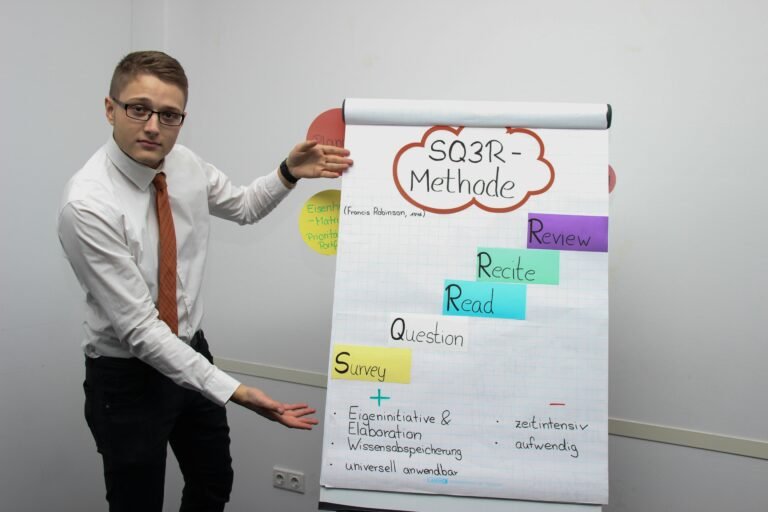

Understanding Your Learning Style
Effective study strategies significantly contribute to a student’s success in examinations. A critical component of these strategies is understanding one’s learning style. Learning styles refer to the various ways individuals prefer to absorb, process, and retain information. The three primary types of learning styles are visual, auditory, and kinesthetic.
Visual learners benefit from seeing and using images, graphs, and other visual aids. For these students, incorporating charts, diagrams, and videos into their study sessions can enhance their understanding of the material. For instance, making mind maps or utilizing color-coded notes is a practical approach for visual learners to organize their thoughts and information effectively.
Auditory learners, on the other hand, thrive in environments where listening plays a key role in learning. These students often find that discussing concepts with peers, listening to lectures, or utilizing audiobooks helps them absorb information more effectively. Incorporating techniques such as reading aloud, participating in group discussions, or utilizing sound recordings can greatly enhance their study sessions.
Kinesthetic learners are hands-on individuals who prefer to engage with materials through physical activities. These learners often excel when they can touch, manipulate, or experiment with what they are studying. To cater to this learning style, engaging in activities such as using models, conducting experiments, or even studying while in motion can improve retention and understanding.
By identifying their preferred learning style, students can tailor their study strategies to align with their strengths. This not only makes the study process more enjoyable but also enhances overall retention of information. Ultimately, understanding one’s learning style empowers students to adopt effective study techniques that cater to their unique needs, paving the way for academic success.
Creating a Study Plan
Crafting a comprehensive study plan is essential for achieving exam success. It begins with setting clear, achievable goals aligned with the desired outcomes for the exam. Start by identifying the subjects to cover and the specific areas that require more focus. Writing these goals down helps to clarify what needs to be accomplished and serves as a motivational tool throughout the study period.
Once your goals are established, the next step is to create a timeline. Assess the amount of time available before the exam and allocate specific periods for studying. A well-defined timeline allows for a structured approach, ensuring that all topics are addressed without last-minute cramming. Utilize tools such as calendars or digital reminders to maintain this schedule effectively.
Breaking down topics into manageable sections is a crucial part of the planning process. Rather than overwhelming yourself with vast amounts of material, divide each subject into key concepts and themes. This segmentation allows for focused study sessions, increasing retention and understanding. For instance, if you are preparing for a science exam, categorize the material by chapters, concepts, or types of problems.
Regular study sessions should be scheduled to maintain consistency. Identifying your peak study times when you are most alert can enhance productivity. Aim to incorporate small breaks within these sessions to avoid fatigue and sustain concentration. Additionally, it is important to monitor your progress. Adjust your study plan as necessary if certain areas require more attention than initially anticipated or if external factors arise.
Sticking to the study plan demands discipline and commitment. However, it is equally important to remain flexible, allowing for changes based on your evolving needs and circumstances. This will not only boost your confidence as exam day approaches, but also instill effective study habits that can be beneficial beyond the exam itself.
Choosing the Right Study Material
In the journey towards academic success, selecting appropriate study materials serves as a cornerstone to effective learning. The right resources—not only textbooks but also lecture notes, reputable online materials, and practice exams—can significantly impact the depth of understanding and retention of information. By ensuring a comprehensive selection of study materials, students can more efficiently target key concepts that are often emphasized in examinations.
When assessing the quality of available resources, students should prioritize materials that are aligned with their syllabus and learning objectives. For textbooks, look for those that are well-reviewed, ideally written by recognized experts in the subject. Furthermore, ensure that the illustrations, examples, and problems within the book cater to various learning styles—be it visual, auditory, or kinesthetic. Online resources should also be scrutinized for credibility; reputable educational websites often provide additional insights that complement traditional materials.
Students should also be mindful of their existing notes from lectures or seminars as they can serve as invaluable resources tailored to their personal learning process. These notes may highlight critical areas the instructor emphasized, thus providing context and relevance to the study material. In parallel, access to practice exams or quizzes can greatly aid in reinforcing concepts and familiarizing oneself with the exam format. Solving practice questions helps in identifying weak areas that may need further emphasis.
To utilize these chosen materials effectively, it is essential to adopt a structured study schedule. Allocate sufficient time for each resource to prevent unnecessary cramming, which can lead to lower retention rates. By combining various types of resources and maintaining a balanced approach, students can enhance their comprehension and readiness for exams.
Effective Note-Taking Techniques
Effective note-taking is pivotal for academic success, as it enables students to organize and synthesize information, ultimately enhancing retention and understanding of the material. Various strategies can be adapted in order to cater to individual learning preferences while maximizing the efficiency of the study process.
One widely recognized method is the Cornell Method, which divides the note page into three sections: a narrow left column for keywords and questions, a wider right column for detailed notes, and a bottom section for summarizing the content after class. This structured approach encourages active engagement during lectures and facilitates effective review sessions.
Another effective strategy is mind mapping. This visual tool allows learners to create a diagram that illustrates the relationships between concepts. By using branches to connect ideas, students can see the bigger picture and how various topics interlink. This method not only aids memorization but also encourages creative thinking, making it ideal for subjects that involve complex theories or interconnected information.
Outlining is also a valuable technique, wherein students begin with main topics and then provide supporting details in a hierarchical manner. This organized structure helps in retaining key concepts and makes it easier to review the material comprehensively. Furthermore, outlining can be particularly advantageous for preparing for essay-based exams since it mirrors the logical structure of an argument.
Once notes are taken, reviewing and organizing them is essential for reinforcing knowledge. Regularly revisiting notes and summarizing them in one’s own words can significantly enhance retention. Additionally, students might find it helpful to convert their notes into flashcards or practice questions for active recall practice. By incorporating these effective note-taking techniques into their study routines, students can substantially improve their academic performance and ensure they are well-prepared for their exams.
Memory Techniques for Retention
Effective memory retention is crucial for academic success, especially when preparing for exams. Several techniques can be employed to enhance memory and improve recall, allowing students to digest and retain complex information efficiently. Among the most effective methods are mnemonic devices, spaced repetition, and visualization techniques.
Mnemonic devices are tools that aid in the memorization of information through the use of patterns, imagery, or associations. For example, acronyms can simplify lengthy lists into memorable formats. A student studying for a biology exam might remember the order of biological classification—Kingdom, Phylum, Class, Order, Family, Genus, and Species—by creating the acronym “KPCOFGS.” This method allows for easier recall and provides a structured way to memorize extensive content.
Spaced repetition is another powerful technique that involves revisiting information at increasing intervals. This method takes advantage of the psychological spacing effect, where information is more likely to be retained when not crammed into a single study session. Students can implement this by scheduling review sessions over days or weeks, gradually increasing the time between sessions. For instance, material learned today can be reviewed tomorrow, then again in three days, and subsequently in a week. This systematic approach fosters deeper understanding and long-lasting memory retention.
Visualization techniques further augment memory retention by encouraging students to create mental images of the concepts they are studying. Images, diagrams, and mind maps can provide a visual representation of the information, making it easier to remember details. By transforming abstract ideas into concrete visual formats, students can enhance their comprehension and recall during exams.
Incorporating these memory techniques into everyday study routines can profoundly improve students’ ability to retain complex information. By practicing mnemonic devices, employing spaced repetition, and utilizing visualization, learners are better equipped to succeed academically.
Practicing with Past Exams and Sample Questions
One of the most effective study strategies for achieving success in examinations involves practicing with past exams and sample questions. Engaging with these resources allows students to familiarize themselves with the specific format and styles of questions commonly encountered in their respective subjects. This practice not only improves a student’s understanding of the material but also builds confidence when approaching the actual test.
Many educational institutions provide access to a repository of past exam papers through their libraries or online portals. Students can also consult their professors or educators for recommended resources and databases. Additionally, online platforms often feature sample questions and quizzes tailored to specific courses, allowing students to practice in a structured manner. Websites dedicated to exam preparation frequently offer a variety of past exam questions, which can be beneficial for students seeking a broader range of practice material.
To maximally utilize these resources, students should structure their study sessions around solving sample questions and past exams under timed conditions. This approach encourages a real exam environment, improving pacing and time management skills that are critical during actual assessments. Moreover, after completing each practice exam or set of questions, students should thoroughly review their answers, identifying both correct responses and areas needing improvement. Engaging with the feedback process enhances learning by providing insights into question patterns, marking schemes, and common pitfalls.
By integrating past exams and sample questions into their study routine, students are not only preparing effectively for their exams but also developing a robust understanding of the subject matter. This practice will ensure they are well-prepared to tackle varied question types and adapt to the unique challenges posed by their exams, ultimately contributing to their academic success.
The Role of Study Groups
Studying in groups has gathered significant attention in facilitating successful learning outcomes for students. The benefits of study groups are multifaceted; they foster a collaborative environment where members can share insights, clarify doubts, and reinforce their understanding of the subject matter. Engaging with peers can also enhance motivation and accountability, as group members are likely to encourage one another to stay focused on their academic goals.
However, studying in groups is not without its drawbacks. The effectiveness of a study group can be hampered by a lack of organization, differing commitment levels among members, or the potential for distraction. It is crucial to acknowledge these challenges to maximize the benefits of group study sessions.
To form effective study groups, students should begin by selecting peers who share similar academic goals and commitment levels. It is advisable to limit group size to ensure everyone has an opportunity to contribute. A smaller group can facilitate deeper discussions and minimize distractions. Regular meetings should be scheduled, with a structured agenda to promote focus during each session. Group members should take turns leading discussions to ensure that everyone engages with the material and benefits from diverse perspectives.
Additionally, establishing clear objectives for each group session can significantly enhance productivity. Students should come prepared with specific topics to cover or questions to address. It is also important to foster an environment of respect and openness, where each member feels valued and heard. Techniques such as summarizing what has been learned at the end of each session can help reinforce knowledge and ensure comprehension.
By employing these strategies, study groups can transform into powerful tools for learning, empowering students to achieve academic success through collaboration and shared knowledge.
Managing Exam Stress and Anxiety
Exam periods can be a challenging time for students, as they often bring about heightened levels of stress and anxiety. Managing these feelings is essential not only for academic performance but also for overall mental well-being. Implementing effective strategies can provide students with the tools they need to navigate this stressful period.
One effective method for managing exam-related stress is through relaxation techniques. Practices such as deep breathing, meditation, and mindfulness can significantly reduce anxiety. Techniques like progressive muscle relaxation can help in alleviating physical tension. Regularly setting aside time for these practices can allow students to calm their minds, making them more focused and prepared for their studies.
Another important aspect of managing exam stress is effective time management. Developing a study schedule that includes dedicated time for each subject can empower students. Breaking study materials into manageable chunks and setting short, achievable goals can prevent feeling overwhelmed. Utilizing tools like calendars or apps to keep track of deadlines can bolster a student’s organizational skills, thereby reducing anxiety related to time constraints.
Positive visualization is another powerful tool that can aid in managing stress and anxiety before exams. Visualizing success can create a positive mental environment, enhancing confidence in one’s abilities. Students might consider picturing themselves entering the exam room, answering questions calmly, and leaving feeling accomplished. This mental rehearsal can convert anxiety into a sense of self-assurance.
Ultimately, recognizing the importance of mental well-being is crucial for academic success. Students are encouraged to reach out for support from peers, family, or counselors when stress becomes overwhelming. Prioritizing mental health can pave the way for enhanced focus and better exam performance while reducing anxiety. By integrating relaxation techniques, time management strategies, and positive visualization into their routines, students can effectively manage exam stress and foster a more conducive learning environment.
Reviewing and Self-Testing for Exam Preparedness
Effective preparation for exams requires more than just passive reading or attending classes. Actively reviewing material and conducting self-tests are crucial strategies that significantly enhance understanding and retention of topics. When students engage in reviewing their coursework, they reinforce their knowledge, ensuring that information is not merely memorized, but comprehended at a deeper level.
Self-testing serves as a powerful tool in the learning process. By subjecting oneself to practice questions or flashcards, students can identify areas of strength and pinpoint topics that require further study. This process not only builds confidence but also mirrors the conditions of the actual exam. Therefore, integrating self-assessment into study routines can markedly improve exam performance.
To create effective self-assessments, students can start by summarizing key concepts in their own words. This method promotes active engagement with the material. Additionally, developing practice questions based on previous exams or textbook chapters can provide an excellent means of self-evaluation. Students can include a variety of question formats—multiple choice, short answer, and essay prompts—to simulate the range of questions they may encounter.
When conducting self-tests, it is essential to incorporate a spaced repetition approach. This technique involves reviewing material at gradually increasing intervals, which has been shown to improve long-term retention. Moreover, students should analyze their test results to discern patterns in their understanding. Reflecting on incorrect responses allows for targeted review of specific topics, enhancing overall grasp.
In summary, consistent reviewing and conducting self-tests not only prepare students for exams but also foster a deeper understanding of the subject matter, contributing to exam success.