
The flashcard study method is a versatile learning technique that employs the use of cards, each containing a question on one side and the corresponding answer on the reverse. Developed to enhance memory retention and facilitate effective learning, flashcards have their roots in the concepts of active recall and spaced repetition. This approach is particularly favored in educational environments, where students can grasp complex subjects efficiently and effectively. Self-learners also extensively utilize the flashcard method to master new information across various disciplines.
At its core, the flashcard study method rests on cognitive science principles. Active recall, for instance, is a process where an individual retrieves information from memory rather than simply reading or reviewing material passively. This engagement encourages deeper learning and reinforces neural pathways associated with the information being studied. Furthermore, research has indicated that frequent retrieval practice enhances long-term memory retention. By using flashcards, learners challenge themselves to recall facts, vocabulary, or concepts, which fosters a deeper understanding and retention of the subject matter.
The objective of employing flashcards is straightforward: to improve learning efficiency and effectiveness. They can be tailored to suit various subjects and capabilities, making them an adaptable tool for learners of all ages. From vocabulary acquisition to preparing for exams, flashcards facilitate a dynamic and interactive study experience. Additionally, they can be used in conjunction with other study techniques, leading to an integrated approach to mastering academic content.
In summary, the flashcard study method stands out as an efficient tool that leverages psychological principles of learning to enhance recall and retention, making it an essential strategy for students and self-directed learners alike.
Benefits of Using Flashcards for Studying
Flashcards have become a popular study tool among students and educators alike due to their numerous advantages over traditional study methods. One of the primary benefits of using flashcards is their ability to enhance memory retention. Studies have demonstrated that the active recall process involved in flashcard use significantly improves the ability to remember information compared to passive review techniques, such as reading or highlighting textbooks. By repeatedly testing oneself with flashcards, learners engage with the material in a way that promotes long-term retention.
Another key advantage of flashcards is the ability to track progress effectively. Many students appreciate the visual nature of flashcards, as they can sort them into categories of what they know well and what requires further practice. This self-assessment allows students to focus their efforts on areas that need improvement, streamlining the studying process. Furthermore, with the advent of digital flashcard applications, users can easily monitor their learning patterns over time, making it easier to adjust their study strategies accordingly.
Flashcards are also remarkably versatile, suitable for a wide range of subjects and topics. Whether studying foreign languages, scientific terminology, or historical dates, flashcards can be tailored to fit any curriculum. Their compact nature lends itself well to on-the-go learning, making it easy for students to review materials during brief moments of downtime, such as commuting or waiting for an appointment.
Active learning is another significant advantage brought by flashcards. Instead of passively consuming information, learners are encouraged to engage with the material through retrieval practice. Testimonials from students have highlighted how using flashcards transformed their study habits, making learning more interactive and enjoyable. For instance, one college student noted that incorporating flashcards into their routine not only boosted their grades but also made studying feel less tedious and more productive.
Creating Effective Flashcards
Effective flashcards play a significant role in enhancing one’s learning experience and retention of information. To create a flashcard that truly aids in mastering a subject, it is essential to include specific and relevant content. Start by identifying key concepts, vocabulary terms, or questions that are central to the topic at hand. Each flashcard should focus on a single idea to ensure clarity and simplicity, allowing for easier recall during study sessions.
Maintaining simplicity on your flashcards is crucial. Avoid cluttering the card with excessive information, as this can overwhelm learners and dilute focus. Instead, utilize direct language and concise definitions. Employing bullet points can be an effective method to distribute information across the card without compromising clarity. This approach allows learners to grasp essential information quickly, further reinforcing memory retrieval.
Incorporating visual elements, such as images, diagrams, or color coding, can significantly enhance the efficacy of flashcards. Visual elements engage different cognitive processes and can help illustrate complex ideas, making them easier to understand and remember. For example, pairing a term with a relevant graphic not only aids in visual learning but also supports those who might struggle with textual information alone.
When choosing between traditional paper flashcards and digital flashcard applications, it is essential to weigh their respective pros and cons. Traditional flashcards foster active engagement, allowing students to physically manipulate the cards, but they can be cumbersome to revise or expand. Conversely, digital flashcard apps offer versatile features, such as automated repetitions and progress tracking, enhancing the learning experience. However, they may hinder tactile learning for some individuals, limiting their effectiveness.
Ultimately, personalizing flashcards according to individual learning styles can enhance their utility. Visual learners may benefit from more images, while auditory learners might incorporate mnemonics or verbal summaries. By tailoring flashcards to fit specific preferences, learners can maximize their potential for absorption and retention of information.
Tips for Implementing the Flashcard Study Method
Incorporating the flashcard study method into regular study routines can significantly enhance learning outcomes. One effective strategy is to schedule specific review sessions in advance. This can be achieved by setting aside consistent time blocks each week dedicated to flashcard review, ensuring that this process becomes an integral part of the studying routine. Consistency in timing aids in establishing a study habit that significantly improves retention.
Another key element is the use of spaced repetition, a technique that optimally spaces out review sessions based on individual performance and familiarity with the material. This method helps in maximizing information retention by timing reviews right before forgetting may occur. Applications and digital flashcard platforms often contain built-in features that facilitate spaced repetition, automatically adjusting the frequency of card reviews based on user performance.
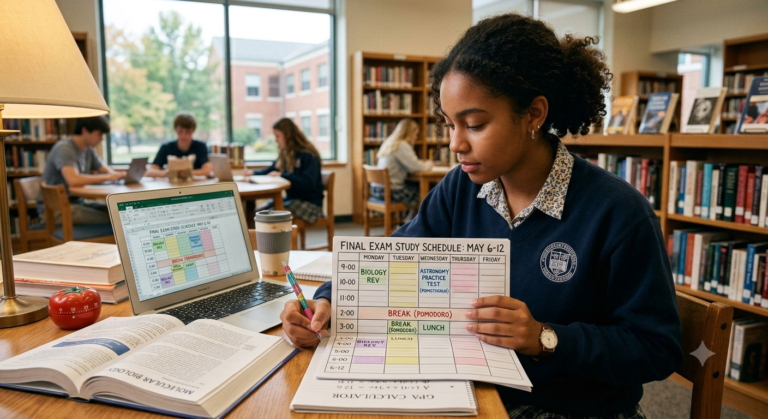
Creating a conducive study environment is of utmost importance when using the flashcard study method. Ensure the study area is free from distractions and equipped with necessary materials, including a desk, proper lighting, and minimal noise. A comfortable environment fosters better focus, thereby enhancing learning efficiency. Implementing these physical adjustments can lead to better retention and understanding of the material.
While using flashcards, be mindful of common pitfalls. One such pitfall is creating overly complex cards that may confuse rather than clarify. Each flashcard should ideally contain a single concept or question to facilitate easier recall. Also, regularly updating and revising flashcards ensures they remain relevant and effective over time. Additionally, adapt the flashcard method based on specific learning objectives, whether for memorizing vocabulary, revising key concepts, or preparing for exams. Tailoring the approach increases its effectiveness in meeting individual learning goals.