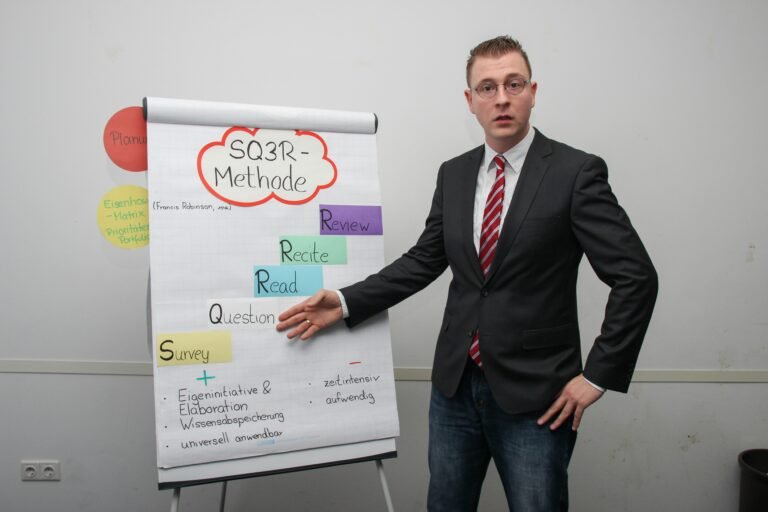

The best study schedule for final exams should balance comprehensive review with effective time management. By allocating specific time slots for each subject, students can ensure they cover all necessary material without cramming.
Many students struggle with final exam preparation due to poor scheduling and lack of organization. A well-structured study plan can alleviate stress and enhance retention, leading to better performance.
To create an effective study schedule, consider your individual learning style, the difficulty of each subject, and the time you have available before exams. Using tools like a calendar or study apps can help keep you on track.
Understanding Your Study Needs
Before you create your study schedule, assess your strengths and weaknesses in each subject. This self-evaluation is crucial for prioritizing your study time effectively.
Start by listing all subjects and topics that will be included in your final exams. Rate your confidence level in each area on a scale of 1 to 5, with 1 being the least confident and 5 being the most confident. This rating will help you allocate more time to subjects where you feel less secure.
Prioritizing Subjects
Once you have rated your subjects, prioritize them based on urgency and difficulty. For example, if you have a subject that you find particularly challenging and it has a significant portion of your final grade, it should be at the top of your list.
- List subjects from most to least challenging.
- Allocate more study time to higher-priority subjects.
- Consider upcoming exam dates when planning your schedule.
Creating a Study Timeline
After prioritizing subjects, create a timeline that breaks down your study sessions. Start with a calendar or planner and mark out the days leading up to your exams.
Divide your study time into manageable blocks, incorporating breaks to maximize focus and retention. For instance, the Pomodoro Technique-studying for 25 minutes followed by a 5-minute break-can enhance productivity.
Effective Study Techniques
Incorporating various study techniques can improve your learning experience and retention rates. Here are some effective methods to consider:
Active Recall
Active recall involves testing yourself on the material rather than passively reading or reviewing notes. This method has been proven to enhance memory retention significantly.
- Create flashcards for key concepts.
- Practice past exam questions.
- Engage in study groups to quiz each other.
Spaced Repetition
Spaced repetition is a technique that involves reviewing material at increasing intervals. This method helps reinforce memory over time.
- Use apps designed for spaced repetition.
- Review topics regularly, increasing the time between sessions as you become more confident.
- Schedule reviews of previously learned material in your study plan.
Tips for Maintaining Focus
Staying focused during study sessions can be challenging. Here are some strategies to help you maintain concentration:
- Choose a quiet study environment free from distractions.
- Set specific goals for each study session, such as completing a chapter or solving a set number of problems.
- Use technology wisely; consider study tools that can help you track progress or keep you organized, like study tools.
Frequently Asked Questions
How can I create a balanced study schedule for final exams?
A balanced study schedule should allocate time based on subject difficulty and urgency.
- Assess your strengths and weaknesses in each subject.
- Prioritize subjects that require more focus.
- Use a calendar to visualize your study timeline.
- Incorporate breaks to enhance productivity.
What study techniques are most effective for final exams?
Active recall and spaced repetition are two of the most effective study techniques.
- Test yourself regularly to enhance memory retention.
- Review material at spaced intervals to reinforce learning.
- Utilize flashcards and practice exams for better engagement.
- Explore study guides for structured content.
How do I maintain focus while studying?
Maintaining focus can be achieved by creating a distraction-free environment and setting clear goals.
- Choose a quiet space dedicated to studying.
- Set specific, achievable goals for each session.
- Limit digital distractions by using apps to block social media.
- Consider using a Pomodoro timer for effective time management.
How do I know if my study schedule is effective?
Your study schedule is effective if you feel prepared and confident as exams approach.
- Track your progress and adjust your schedule as needed.
- Evaluate your retention of material through practice tests.
- Seek feedback from peers or instructors on your understanding.
- Consider using a GPA calculator to assess how your study efforts impact your grades.
Final Thoughts on Preparing for Final Exams
Creating the best study schedule for final exams requires careful planning, self-assessment, and the incorporation of effective study techniques. By prioritizing your study topics and employing methods like active recall and spaced repetition, you can enhance your learning experience.
Stay organized, maintain focus, and adjust your schedule as necessary to ensure you are well-prepared. With a solid plan in place, you can approach your final exams with confidence.